
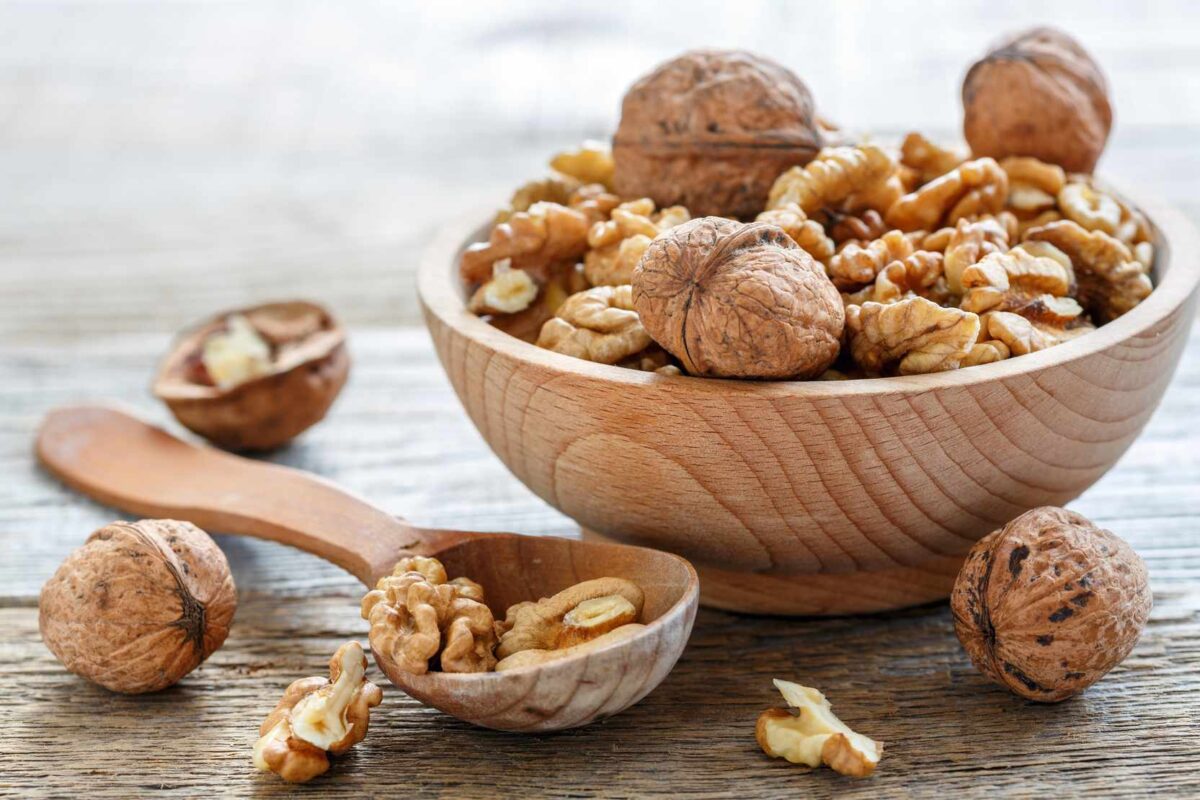
As the days grow shorter and the air turns crisp, your body naturally begins to crave warmth, comfort, and nourishment. Winter is a season that challenges our immunity, energy levels, and even our mood. And in the midst of this seasonal shift, there’s one small but mighty food that deserves a special place in your daily routine: walnuts.
Let’s talk about why these brain-shaped nuts are a winter superfood—and why your body will thank you for adding them to your cold-weather diet.
1. They Strengthen Your Immunity When You Need It Most
Winter is prime time for colds, flu, and infections. Walnuts come packed with antioxidants, vitamin E, and polyphenols that help your body fight off seasonal bugs. Just a handful a day can give your immune system the boost it needs to stay resilient.
2. They Keep You Warm From the Inside Out
Walnuts are rich in healthy fats—especially omega-3 fatty acids. These fats don’t just nourish your heart and brain; they also help your body generate heat. In colder months, your metabolism works harder to maintain body temperature, and walnuts provide the fuel needed to keep you warm and energized.
3. They Support Brain Health During Low-Sunlight Months
Ever notice how winter dulls your energy or focus? Omega-3s in walnuts are known to support cognitive function, improve memory, and even stabilize mood. This makes walnuts a delicious ally against winter sluggishness and seasonal blues.
4. They’re Great for Your Skin in Harsh Weather
Cold winds and dry indoor heating can make your skin flaky and dull. Walnuts contain vitamin E, healthy fats, and antioxidants that help moisturize skin from within and reduce inflammation. Your winter skincare routine might just start in your kitchen!
5. They Help Manage Weight Despite Cravings
Winter often comes with cravings for heavier, calorie-rich meals. Walnuts provide satiety—they help you feel full longer thanks to their combination of protein, fiber, and healthy fats. Including them in snacks or breakfast can keep you from overeating and support a healthy winter diet.
6. They Improve Sleep During Long Winter Nights
Walnuts contain melatonin, the hormone responsible for regulating sleep. If shorter days have thrown off your sleep cycle, eating walnuts in the evening may contribute to better, more restful nights.
7. They’re an Easy, Comforting, and Versatile Winter Snack
Add walnuts to your oatmeal, sprinkle them on yogurt, mix them into winter salads, or simply enjoy them raw or roasted. They add a rich, toasty flavor that feels perfect for the season.
Final Thoughts
Winter invites us to slow down and nourish ourselves more deeply. Walnuts—tiny but nutrient-dense—offer warmth, energy, protection, and comfort during the coldest months of the year. So, the next time you’re preparing a winter snack or planning your meals, reach for walnuts. Your body, mind, and taste buds will thank you.
Stay warm, stay healthy—and keep crunching!
